Colour & Pattern
Why Screen Color Never Matches The Delivered Garment
A color on a display is made from emitted light while a garment reflects it, and the chain between photograph and screen introduces several unavoidable shifts.
Online clothing is bought from photographs, and the color that arrives is frequently not the color that was displayed. Several independent steps in the chain each contribute.
Emitted light and reflected light are different systems
A screen produces color by emitting red, green and blue light in combination. Fabric produces color by absorbing some wavelengths and reflecting the rest.
The set of colors a screen can produce and the set a dye can produce overlap but do not coincide, so some fabric colors have no exact screen equivalent.
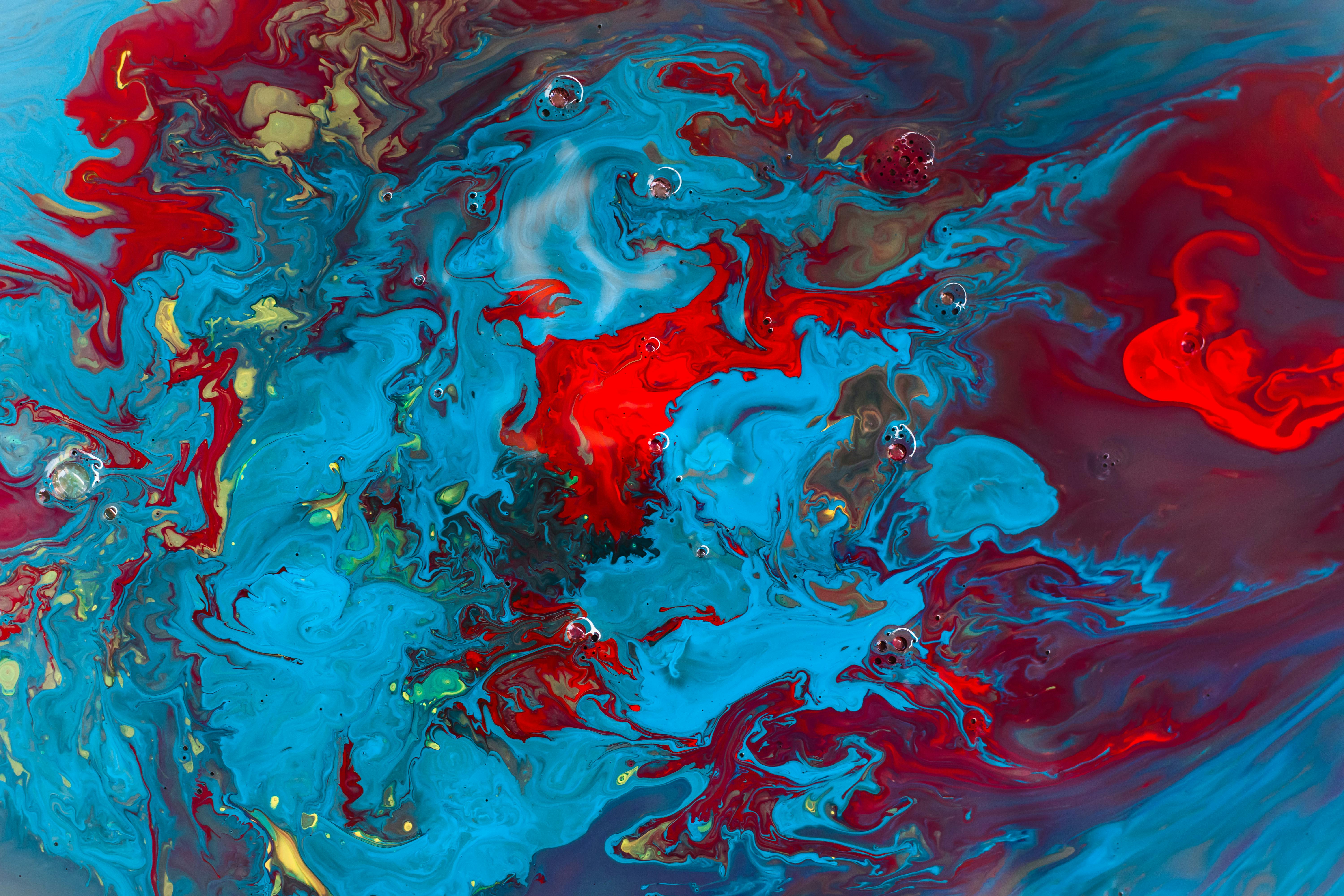
Saturated colors are where this bites hardest, which is why intense reds, oranges and turquoises are the most commonly misrepresented.
The photograph is an interpretation
A camera records color according to its sensor and its white balance setting, and both introduce a shift from what a person standing there would see.
Studio lighting is then chosen to flatter the garment, and images are edited afterward for consistency across a catalog.
By the time an image is published it has passed through several deliberate decisions, none of which had accurate color reproduction as the primary goal.
Displays are not calibrated
Every screen renders the same image slightly differently, and phone displays in particular apply automatic adjustments to brightness and warmth based on ambient conditions.
Features that shift a display toward warmer tones in the evening change every color on it, without the viewer necessarily noticing.
So two people viewing the same listing simultaneously are seeing meaningfully different colors, and neither is seeing the fabric.
Fabric changes appearance with the light on it
Even in person, a garment's color depends on the light source, because the fabric can only reflect wavelengths that are present.
Two fabrics that match under one light and differ under another are a well-known phenomenon in the dye industry, and it affects buyers directly.
A garment approved under warm store lighting can look like a different color in daylight, which is a property of the dye rather than a mistake.
What actually helps
Customer photographs taken in ordinary rooms are more informative than studio images, precisely because they were not corrected.
Reading the color name alongside the image also helps, since a description reading olive or rust constrains the possibilities more than a photograph does.
For anything that must coordinate with something already owned, ordering with the intention of checking in daylight and returning if wrong is the only dependable method.
Also by Noor Haddad
- Building a capsule wardrobe by subtraction rather than purchaseCapsule Wardrobe
- Cost per wear: the only shopping arithmetic worth doingShopping Smart
- Why some colours suit you: contrast and undertone, without the seasonsColour & Pattern
- Buying clothes secondhand online without being disappointedShopping Smart