Capsule Wardrobe
The Travel Capsule: One Bag For Ten Days
Packing light works when garments share a colour logic and a washing method, which is a different problem from packing few items into a small bag.
A ten-day trip out of one bag is a wardrobe problem before it is a packing problem. The constraint is not volume but how many combinations a small set produces.
Combinations matter more than count
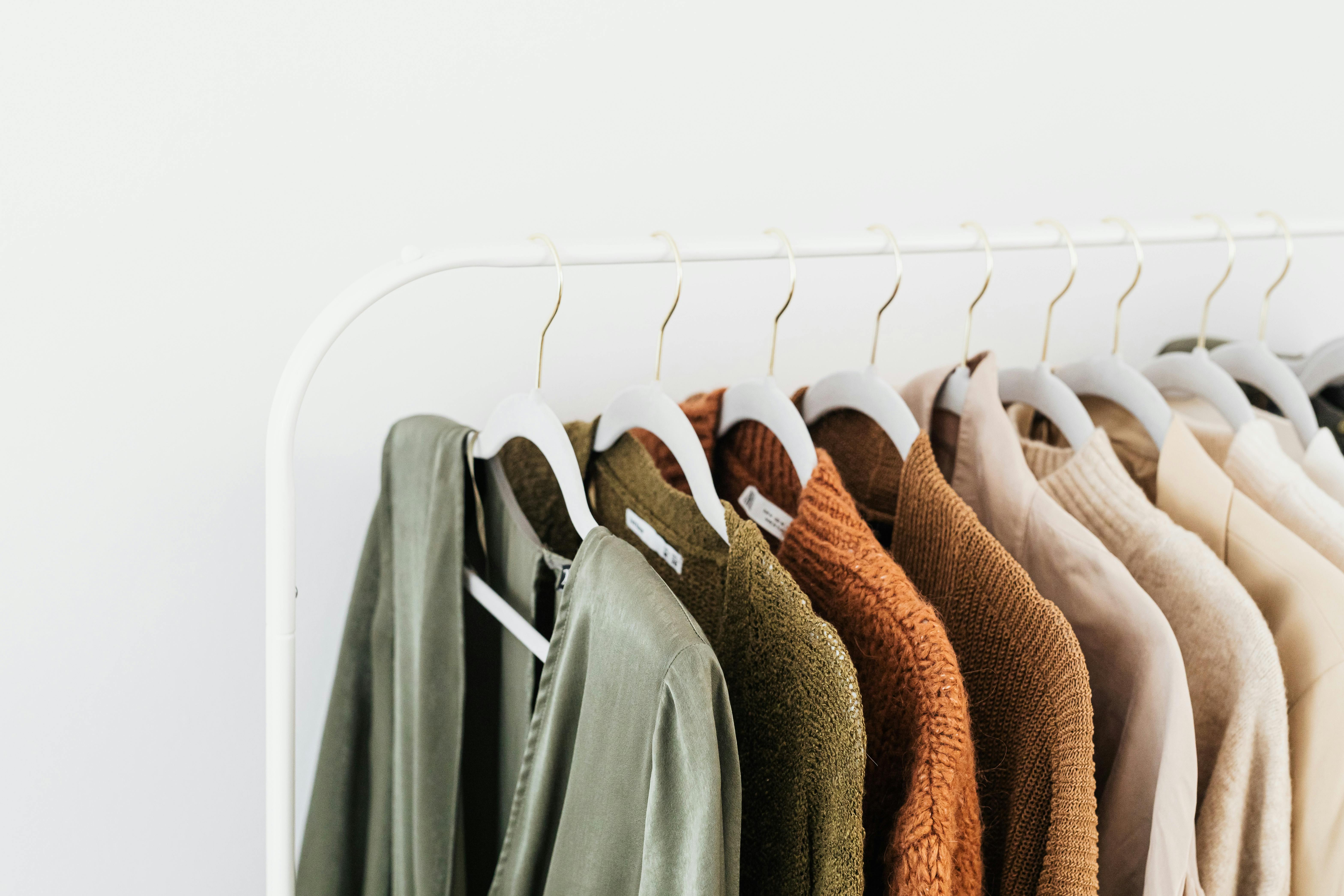
Five garments that all work together produce more outfits than nine that do not. The useful measure is combinations, and it rises sharply when everything shares a palette.
Pick two neutrals that sit well together and let almost everything be one of them. Every top then works with every bottom without any thought at the hotel.
One or two garments can sit outside the palette to break the sameness. Keep them to items that combine with both neutrals rather than only with each other.
Washing is what makes the count small
A bag for ten days is really a bag for four or five, washed twice. That only works if the garments can be washed in a sink and dried overnight.
Thin merino, synthetics and lightweight cotton dry within hours. Heavy cotton, denim and anything thick will still be damp in the morning and will stay in the bag.
Choosing for drying time rather than for weight is the shift that makes one bag viable. It removes several garments from the list without removing any wearing days.
Shoes set the size of the bag
Shoes are the bulkiest thing you will pack and the hardest to duplicate. Two pairs is usually the ceiling, and one of those should be on your feet.
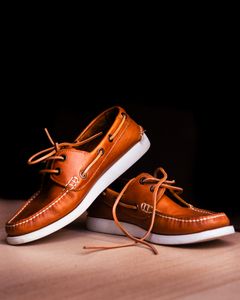
The pair you wear travelling should be the heavier one. The packed pair should be flat, light and able to cover both the evening and an unexpected smart occasion.
A third pair only earns its place for a specific activity you know is happening. Otherwise it displaces clothing you will definitely use for a possibility you might not.
Layering replaces weather forecasting
Packing for a forecast is packing for something that will change. Packing thin layers that stack is packing for a range, which is what a trip actually presents.
Three thin layers cover a wider temperature band than one thick coat and take less room. They also let you shed gradually rather than choosing between two states.
The outer layer is the one worth spending bag space on, because it handles rain and wind. Everything under it can be light, plain and washable.
What you take back is different
A bag packed to capacity leaves nothing for what the trip adds. Purchases, damp laundry and things acquired along the way all need somewhere to sit.
Leaving a margin sounds like waste, but the alternative is carrying a second bag home. A quarter of the space kept empty usually turns out to be exactly right.
The same logic applies to the return journey's clothing. Keeping one clean set aside for the last day means arriving home in something you would wear anywhere.
Also by Noor Haddad
- Building a capsule wardrobe by subtraction rather than purchaseCapsule Wardrobe
- Cost per wear: the only shopping arithmetic worth doingShopping Smart
- Why some colours suit you: contrast and undertone, without the seasonsColour & Pattern
- Buying clothes secondhand online without being disappointedShopping Smart