Capsule Wardrobe
The Garments That Do Nothing But Cannot Be Removed
Every small wardrobe holds items worn once or twice a year that resist every argument for removal, and the reason is that replacement cost outweighs storage cost.
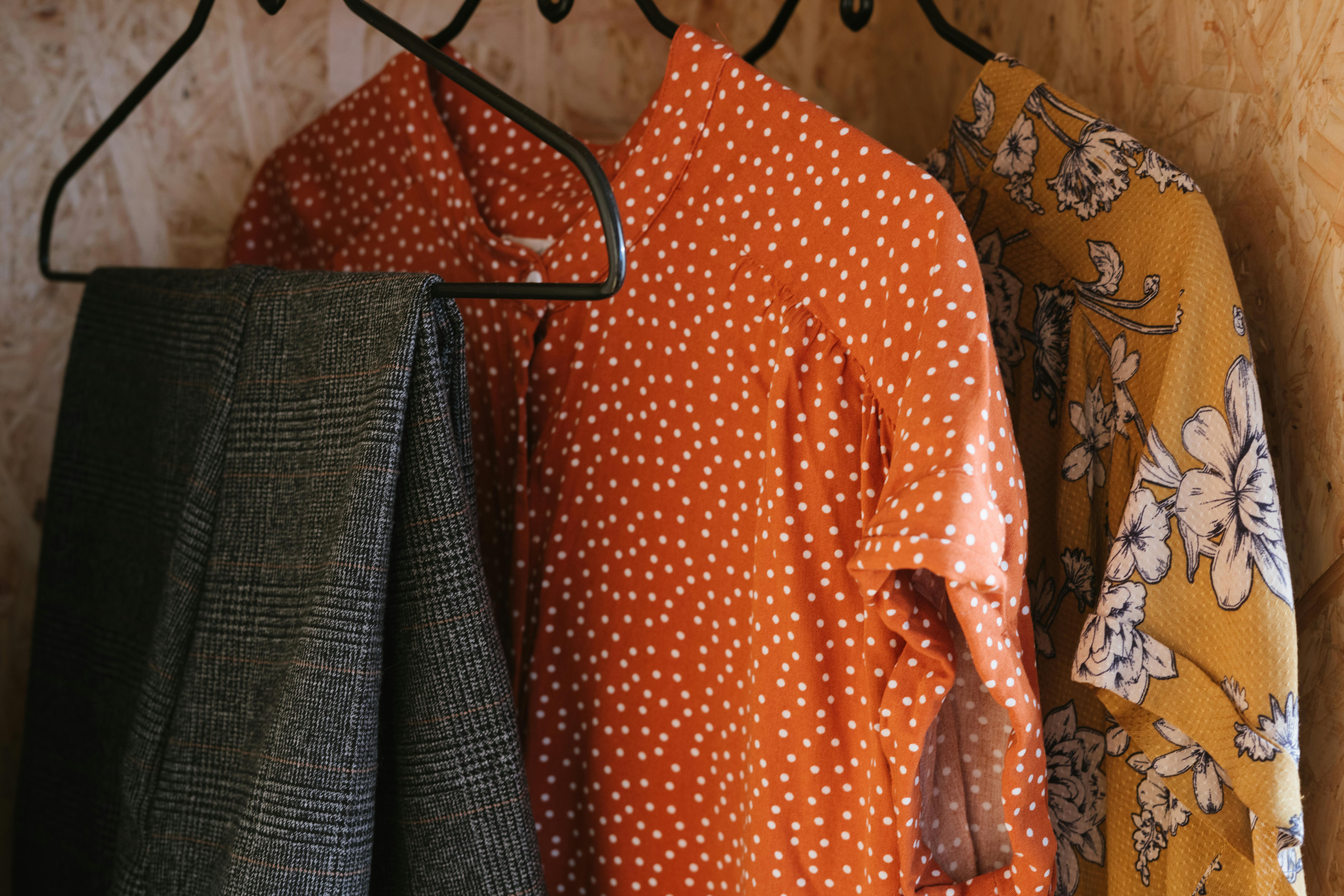
A disciplined wardrobe still contains pieces worn almost never. They survive audit after audit, and the usual explanation of sentiment or indecision is not the real one.
Low frequency is not the same as low value
Wear frequency is the standard metric for deciding what stays, and it works well for ordinary clothing. It breaks down for items whose value lies in being available.
A dark suit worn to two funerals in five years has an extremely low wear count and an extremely high cost of not owning.
The same applies to formal shoes, a heavy winter coat in a mild region, and rain gear. Their function is coverage of a situation, not routine use.
Replacement under time pressure is expensive
These occasions arrive without notice. Buying at short notice removes almost every advantage a shopper normally has.
Sale timing is unavailable, size availability is whatever is in stock, and alterations cannot be scheduled. The garment bought this way is usually worse and costs more.
Owning the item in advance is effectively paying a small storage cost to avoid a large emergency cost, which is a reasonable trade rather than a failure of discipline.
The category has a natural size limit
The argument justifies a short list, not an open-ended one. Genuine low-frequency essentials number in the low single digits for most people.
Formal wear, severe-weather protection, and whatever a person's specific commitments demand. Beyond that, items claiming this status are usually ordinary clothes that have fallen out of rotation.
The distinction is whether a specific foreseeable event requires the item, or whether the owner is imagining a situation that has not arisen and probably will not.
They need maintenance despite not being worn
Rarely worn garments fail quietly. Wool hanging untouched attracts insect damage, elastic degrades, and leather dries out.
An item kept for emergencies that turns out to be unwearable at the moment of need has provided nothing while still occupying space for years.
A brief check when seasons change, plus proper storage, is what makes the trade actually work. Without it the storage cost is paid and the benefit is not received.
Fit drifts while they sit
The other silent failure is fit. Bodies change over several years, and a garment worn twice in that span has not been tested against the change.
Trying the item on occasionally is the only way to find out, and it needs to happen with enough lead time to arrange alterations.
This is the argument for keeping such pieces in classic cuts and alterable fabrics. A conservative garment with seam allowance can be adjusted; a closely fitted one in a stretch fabric usually cannot.
Also by Noor Haddad
- Building a capsule wardrobe by subtraction rather than purchaseCapsule Wardrobe
- Cost per wear: the only shopping arithmetic worth doingShopping Smart
- Why some colours suit you: contrast and undertone, without the seasonsColour & Pattern
- Buying clothes secondhand online without being disappointedShopping Smart