Fabric & Care
Stains: Why Speed Matters More Than Product
Most stain removal failures come from delay and heat rather than the wrong product, because setting is a chemical bonding process that becomes irreversible.
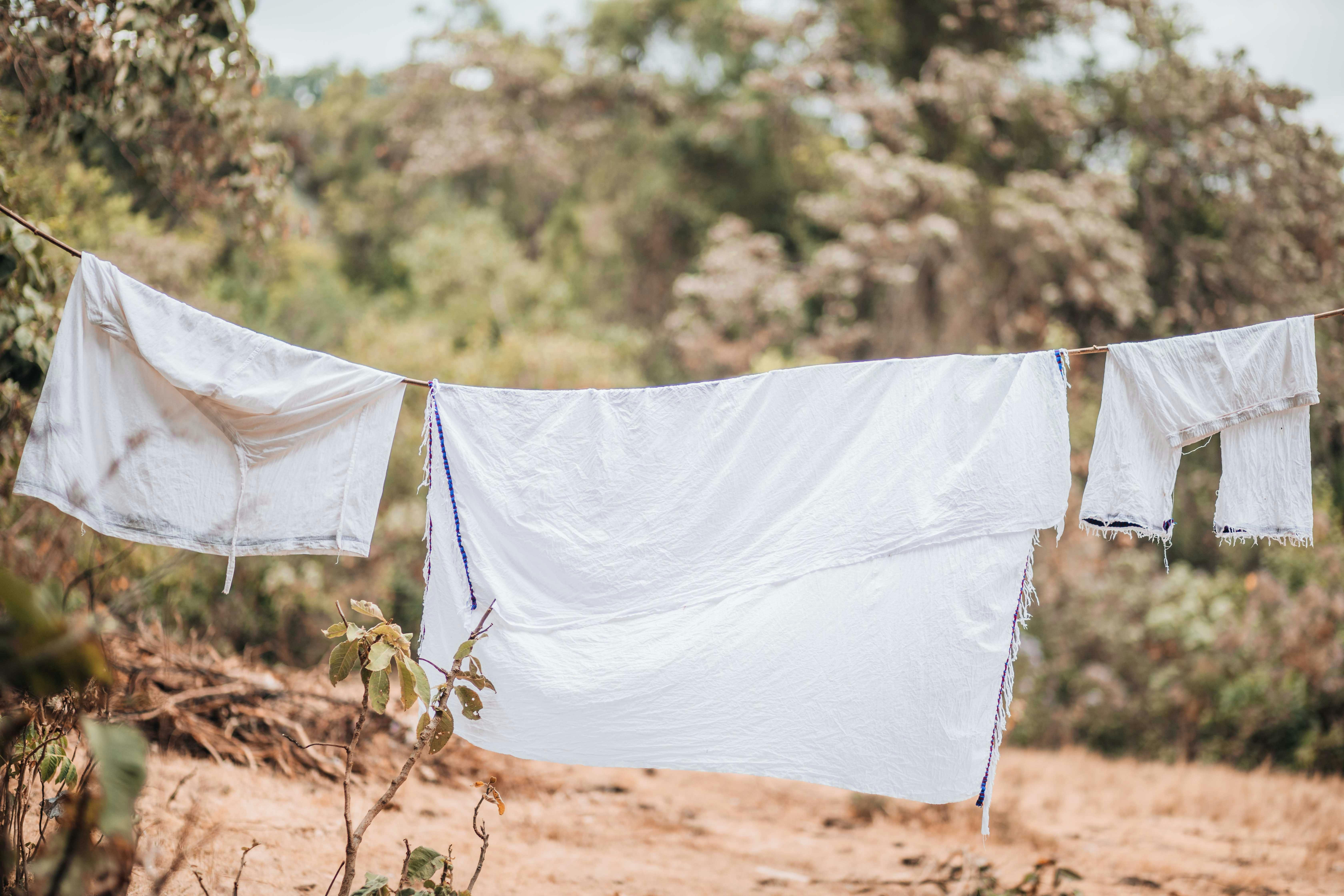
The stain remover is the least important variable in stain removal. What determines the outcome is how quickly the stain is addressed and whether heat has reached it first.
Setting is a bond, not a stubbornness
A fresh stain sits on and between fibres. Over time, and much faster with heat, its components oxidise or bond chemically to the fibre and become part of it.
Protein stains such as blood and egg coagulate with heat, which is why hot water sets them permanently. Cold water keeps them soluble and removable for a considerable period.
Once bonded, no surfactant will lift the stain because there is nothing to lift. The removal problem has become a bleaching or dyeing problem instead.
The first minute does most of the work
Blotting a fresh spill with an absorbent cloth removes the majority of the material before any chemistry is required. Most of what would become a stain is still liquid.
Rubbing is the common error. It pushes the substance deeper into the weave and abrades the surface, producing a lighter mark spread over a larger area.
Cold water flushing from the back of the fabric pushes the remainder out the way it came. Flushing from the front drives it further through.
Stain types need opposite treatments
Oil-based marks need a surfactant or solvent to break the oil into something water can carry. Water alone spreads them without removing anything.
Tannin stains from tea, wine and fruit respond to cold water and mild acid, and are set by soap. Applying bar soap to a wine stain is a common way of making it permanent.
Protein stains want cold water and, if needed, an enzyme detergent. Applying heat at any stage before removal ends the possibility of getting them out.
The dryer is where stains become permanent
A garment washed with a residual stain and then tumbled is usually finished. Dryer heat completes the bonding that the wash failed to prevent.
This is the argument for checking garments between the wash and the dry. It takes seconds and it is the last point at which a second attempt is possible.
If a mark survives washing, it should be air-dried and treated again. Repeated gentle treatment succeeds far more often than one aggressive attempt.
Fabric limits what can be attempted
Silk and wool are damaged by alkaline products, enzymes and oxygen bleach, so the aggressive options available on cotton are unavailable on them.
Dyes vary in fastness independently of fibre. Testing any product on a hidden seam allowance takes a minute and prevents the outcome where the treatment is more visible than the stain.
For structured, lined or delicate garments, the honest answer is often to stop and take it to a cleaner while it is fresh. Their advantage is solvents, not patience.
Also by Noor Haddad
- Building a capsule wardrobe by subtraction rather than purchaseCapsule Wardrobe
- Cost per wear: the only shopping arithmetic worth doingShopping Smart
- Why some colours suit you: contrast and undertone, without the seasonsColour & Pattern
- Buying clothes secondhand online without being disappointedShopping Smart