Shoes & Accessories
Sandals And The Summer Shoe Problem
Open footwear removes the structure that holds a foot in place, which is why summer shoes cause discomfort that closed shoes of the same size do not.
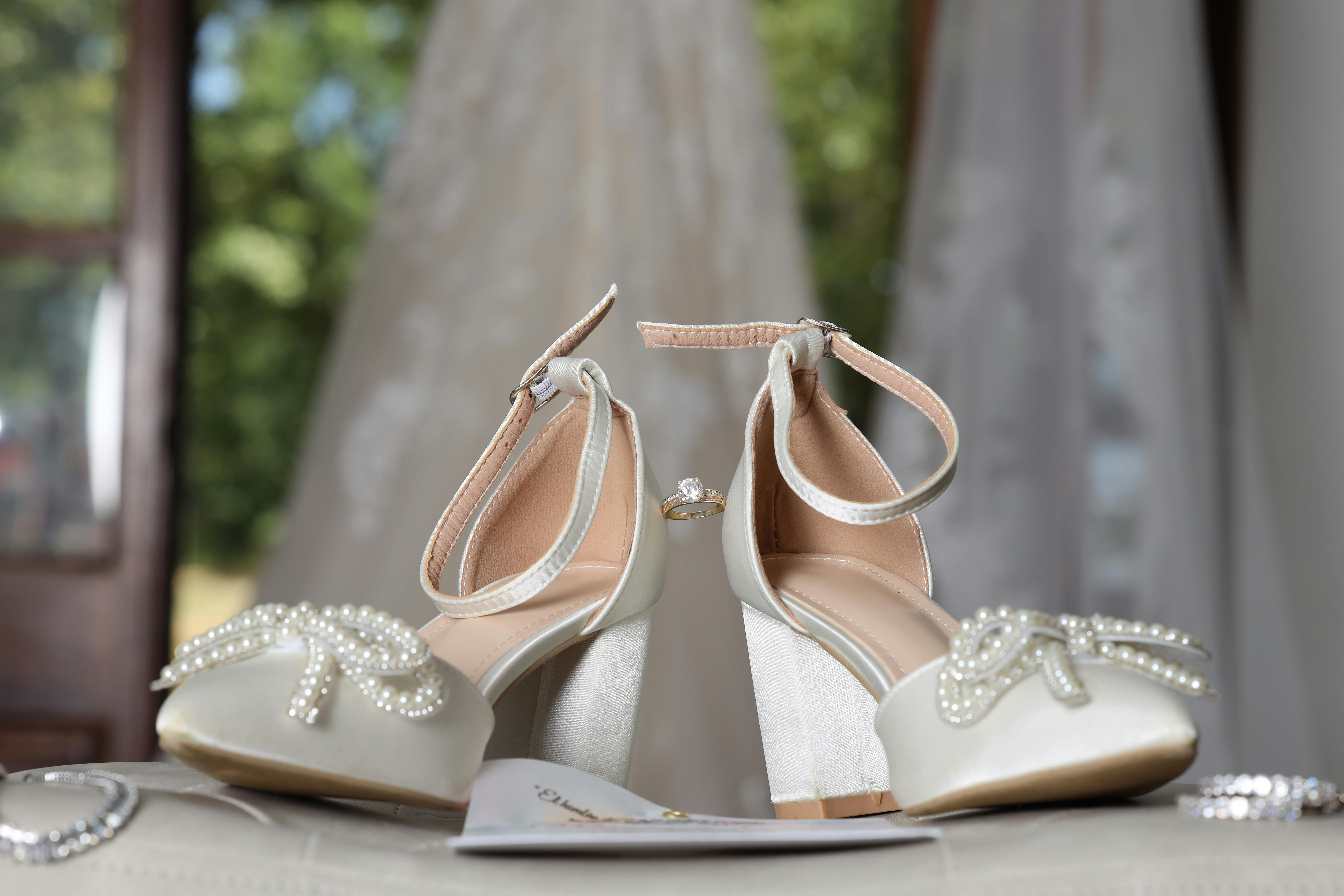
Summer footwear is chosen for coolness and then blamed for discomfort. The cause is structural: an open shoe has to hold the foot with far fewer points of contact.
Closed shoes work by containment
A closed shoe surrounds the foot, so the foot cannot move much in any direction. Fit errors are absorbed by that containment and often go unnoticed.
An open sandal has only its straps. Each one must do a specific job, and if any is placed wrongly the foot slides, which produces friction rather than pressure.
This is why sandals blister in places closed shoes never do. The damage comes from movement across the skin, not from the shoe pressing on it.
The heel strap does the critical work
Without something securing the heel, the foot lifts with every step and the toes grip to hold the shoe on. That gripping is the source of most summer foot fatigue.
A back strap or a closed heel eliminates it. The difference in how far someone can comfortably walk between a backless and a secured sandal is substantial.
Backless styles are therefore short-distance footwear by design. Judged on that basis they are fine; judged as walking shoes they will always disappoint.
Bare feet change the sizing
Without a sock, there is nothing between skin and material, so any roughness or seam is felt directly. Edges that are harmless inside a shoe become abrasive here.
Feet also swell more in heat, and more over the course of a day. A sandal fitted in the morning can be genuinely too tight by the afternoon.
Adjustable straps address both. A buckle or a hook fastening allows the fit to be changed as conditions change, which a fixed elastic or slip-on style cannot.
The footbed carries more load
With less upper holding the foot, the footbed does more of the work of positioning it. A flat, hard footbed lets the foot spread and slide, particularly when damp.
Contoured footbeds in cork or moulded materials hold the foot in place through shape rather than through straps. This is why they tolerate longer wear than flat sandals do.
Grip matters too. A smooth leather footbed becomes slippery with perspiration, which reintroduces the sliding that the straps were meant to prevent.
Materials behave differently in heat
Leather softens and stretches with heat and moisture, so a leather sandal that is snug when new usually settles into a good fit. Synthetic straps stretch far less.
Synthetics also hold moisture against the skin rather than absorbing it, which increases friction. For all-day wear that difference is more noticeable than any style consideration.
Rubber and foam soles are lighter and grip well but compress quickly. As they flatten, the shape that was holding the foot disappears, and the discomfort returns.
Also by Noor Haddad
- Building a capsule wardrobe by subtraction rather than purchaseCapsule Wardrobe
- Cost per wear: the only shopping arithmetic worth doingShopping Smart
- Why some colours suit you: contrast and undertone, without the seasonsColour & Pattern
- Buying clothes secondhand online without being disappointedShopping Smart