Shoes & Accessories
Resoling: Which Shoes Allow It And When To Go
Whether a shoe can be resoled is decided at manufacture by how the sole is attached, and the timing of the repair determines whether it is possible at all.
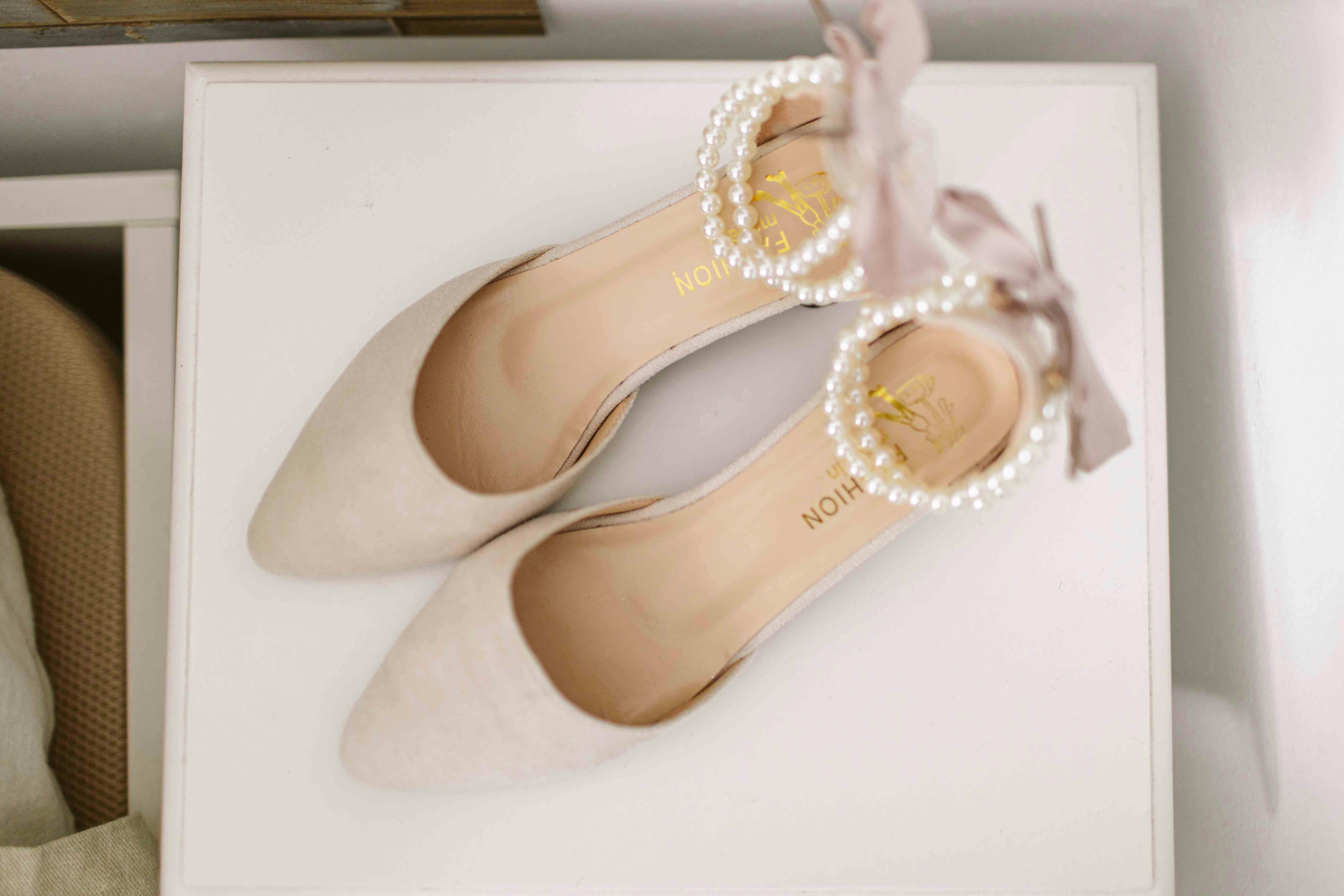
Resoling is often described as a mark of quality footwear. It is more precisely a consequence of one construction decision, and knowing which one tells you what you own.
Attachment method decides everything
A cemented shoe has its sole glued directly to the upper. Removing it requires breaking that bond, which usually damages the upper's edge and leaves nothing clean to attach to.
A welted shoe has a strip of leather stitched to the upper and the insole, with the outsole stitched to that strip. The outsole can be cut away without touching the upper.
Blake construction stitches the sole straight through to the insole. It is resoleable but needs a specific machine, so availability depends on the repairer rather than the shoe.
Identifying the construction takes a look
Visible stitching running around the edge of the sole indicates a welt. The stitch is functional, though decorative fake stitching exists and is worth checking for.
Stitching visible inside the shoe, around the perimeter under the insole, indicates Blake. If the interior is smooth and the exterior edge is unstitched, it is almost certainly cemented.
Price is a weak proxy. Expensive cemented shoes are common, and the construction is a design choice about flexibility and weight as much as a cost decision.
Timing is the part people get wrong
A sole worn through to the layer beneath has stopped being a sole replacement. Water reaches the insole and the welt stitching, and both may need rebuilding first.
The correct point is when the outsole is thin but intact, before any hole appears. At that stage the repair is straightforward and the shoe returns essentially as it was.
Heels wear faster than soles and should be replaced independently, often several times between resoles. A worn heel changes the walking angle and accelerates wear elsewhere.
The economics depend on the upper
Resoling costs a meaningful fraction of a new pair, so it only makes sense where the upper still has years in it. A cracked or thin upper cannot be renewed by any sole work.
This is why resoleability matters most on shoes with substantial uppers. A well-kept leather upper can outlast several soles, which is where the arithmetic clearly favours repair.
On light shoes with fabric or thin leather uppers, the upper and sole reach the end together. Repair is technically possible and rarely worth the cost.
Repeated resoling has a limit
Each resole removes a small amount of material from the welt and the edge of the upper. After several rounds the welt stitching holes multiply and the structure weakens.
Well-made shoes tolerate this several times over many years. The limit is real but distant, and most shoes are replaced long before it is reached.
What ends a resoleable shoe is usually neglect between repairs rather than the repairs themselves. Regular conditioning of the upper is what makes the construction's advantage pay off.
Also by Noor Haddad
- Building a capsule wardrobe by subtraction rather than purchaseCapsule Wardrobe
- Cost per wear: the only shopping arithmetic worth doingShopping Smart
- Why some colours suit you: contrast and undertone, without the seasonsColour & Pattern
- Buying clothes secondhand online without being disappointedShopping Smart