Fabric & Care
Lint, Shedding And Where All The Fiber Goes
The lint trap collects material that used to be part of your clothes, and how much a garment sheds is a direct measure of how its yarn was made.
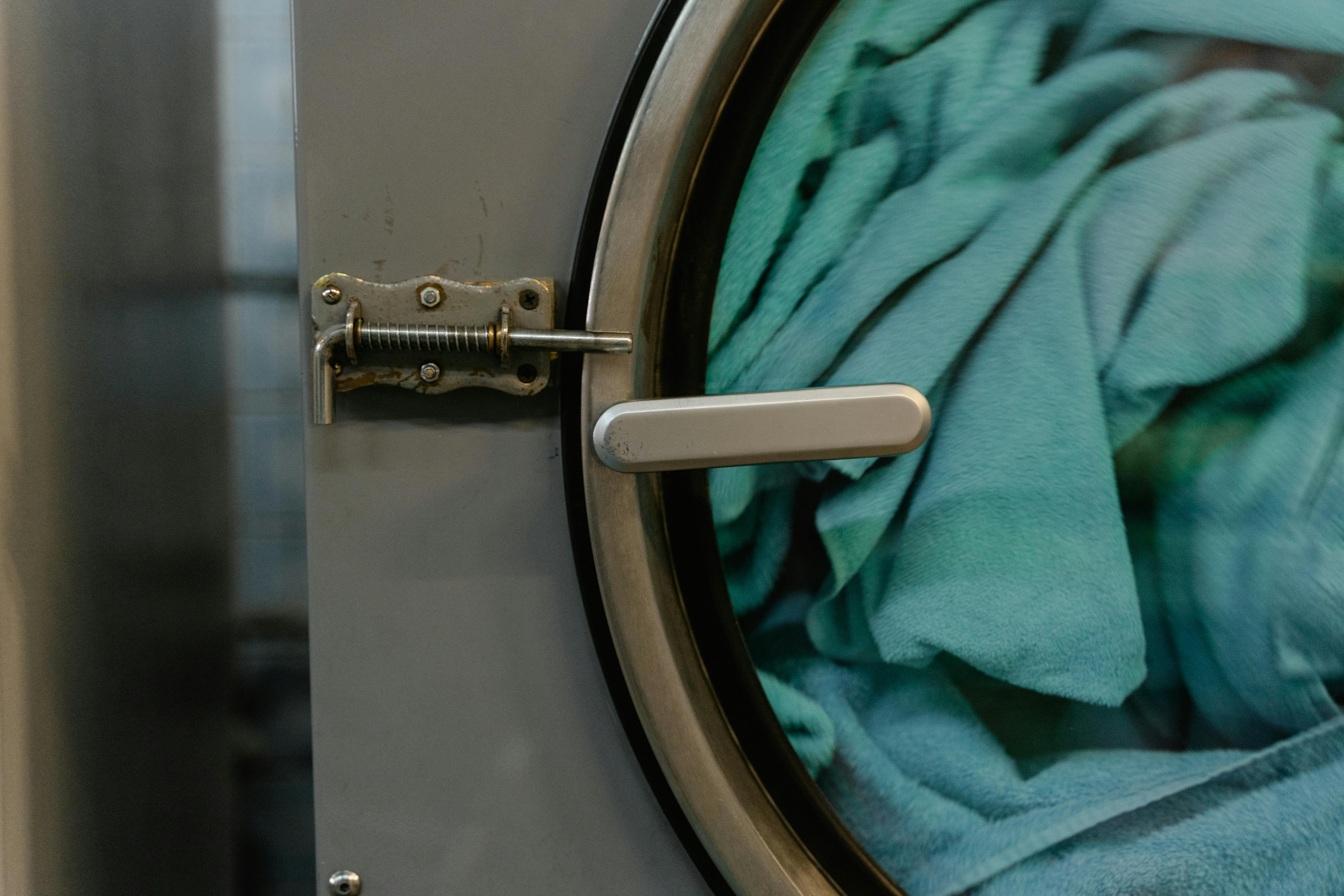
Every dryer cycle produces a layer of lint, and that material was previously part of the laundry. How much a garment contributes says something specific about its construction.
Lint is broken and released fiber
Yarn is made by twisting short fibers together, and the twist is what holds them. Fibers near the surface are held less securely than those in the core.
Washing and tumbling work surface fibers loose, and once free they leave the fabric entirely and collect in the trap.
Every piece of lint therefore represents fabric that has become slightly thinner, which is why heavy shedding early in a garment's life is not a good sign.
Staple length predicts shedding
Cotton is graded partly by the length of its individual fibers, and longer fibers can be twisted into yarn with fewer exposed ends.
Short-staple cotton produces yarn with many more fiber ends at the surface, which is what sheds, pills and gives fabric a fuzzy hand.
This is the mechanism behind long-staple cotton commanding a premium. The fabric is smoother, stronger and sheds less because there are simply fewer loose ends.
New garments shed most
The first several washes remove the surface fibers that were loosest from manufacturing, so shedding is highest at the beginning and declines.
Towels and flannel shed heavily at first because their construction deliberately raises fibers to the surface for absorbency and warmth.
Shedding that continues at the same rate after a dozen washes indicates the yarn is releasing fiber from deeper in its structure, and that garment will thin noticeably.
Transfer is the visible nuisance
Lint released in a wash does not vanish; it redistributes across the load, which is why a dark garment washed with towels emerges covered.
Fabrics that shed and fabrics that attract are different sets. Smooth, dark, static-prone synthetics collect lint efficiently without producing much.
Separating by both color and fabric type addresses the problem at the source, which no amount of brushing afterward does as effectively.
Not all fiber leaves through the trap
A large share of what comes off garments in the wash leaves with the water rather than through the dryer, particularly from synthetic fabrics.
Those fibers are small enough to pass through most filtration, which is the basis of the concern about synthetic textiles and waterways.
Washing less often, on shorter and cooler cycles, and choosing tightly constructed fabrics all reduce fiber loss, which happens to be the same set of practices that make garments last.
Also by Noor Haddad
- Building a capsule wardrobe by subtraction rather than purchaseCapsule Wardrobe
- Cost per wear: the only shopping arithmetic worth doingShopping Smart
- Why some colours suit you: contrast and undertone, without the seasonsColour & Pattern
- Buying clothes secondhand online without being disappointedShopping Smart