Shoes & Accessories
Insoles, Footbeds And The Fit You Can Adjust
The interior of a shoe can be modified more than most wearers realise, and understanding what an insole changes explains which fit problems it can and cannot solve.
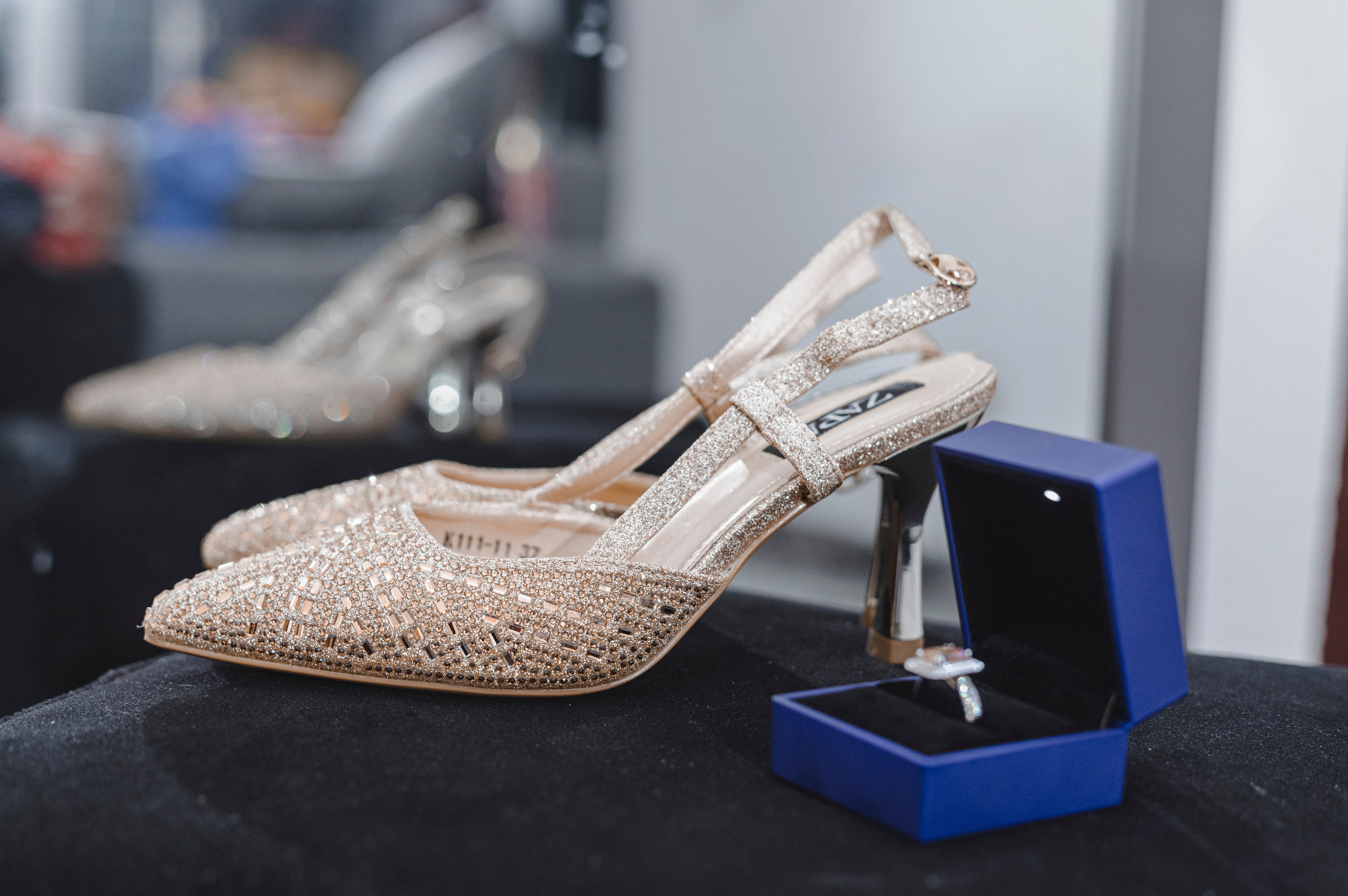
Shoe fit is treated as fixed at purchase. A significant part of it is adjustable, because the interior volume and the surface the foot rests on can both be changed.
Insoles change volume, not length
Adding material to the interior reduces the space available, which tightens a shoe that is loose in depth. It does nothing about a shoe that is too long or too narrow.
This distinction explains most disappointment with insoles. A shoe half a size too big in length is not fixed by filling it; the foot still slides forward at the toe.
Where the shoe is correct in length but the foot lifts at the heel, reducing volume is exactly the right correction and usually resolves it completely.
The footbed shapes pressure distribution
A flat insole spreads load evenly across the sole of the foot. A contoured one transfers some of it to the arch, reducing pressure at the heel and the ball.
Whether that helps depends on the foot. Support placed where an arch does not sit creates a pressure point rather than relieving one, which is why generic arch inserts are inconsistent.
Moulded footbeds address this by taking the shape of the individual foot over time or through heat forming. The fit improves because the contact area increases.
Material determines how long the change lasts
Foam compresses under repeated load and loses much of its thickness within months. An insole that fixed a fit problem in spring may have stopped fixing it by autumn.
Cork and dense leather compress far less and mould to the foot rather than flattening. They cost more and hold their correction for years rather than a season.
The original factory insole is often thin foam glued in place. Replacing it with something denser changes both the fit and the feel more than adding a layer on top.
Removable versus fixed changes the options
A shoe with a removable insole can accept a thicker replacement without losing volume, because the original comes out. A fixed insole means anything added is purely additional.
This is worth checking at purchase for anyone who expects to modify the interior. It effectively doubles the adjustment range available afterwards.
Heel grips, tongue pads and forefoot pads adjust volume locally rather than globally, which is often what a fit problem actually requires.
Some problems are not fit problems
Pain that persists across correctly fitted shoes, or that is localised and sharp, is a matter for a podiatrist rather than an insole. Cushioning masks symptoms without addressing cause.
Custom orthotics prescribed for a specific condition are a different category from retail comfort insoles, and they change shoe sizing requirements in their own right.
Within ordinary fit, though, the interior is the most underused adjustment available. A shoe that nearly fits is frequently a shoe that can be made to fit.
Also by Noor Haddad
- Building a capsule wardrobe by subtraction rather than purchaseCapsule Wardrobe
- Cost per wear: the only shopping arithmetic worth doingShopping Smart
- Why some colours suit you: contrast and undertone, without the seasonsColour & Pattern
- Buying clothes secondhand online without being disappointedShopping Smart