Capsule Wardrobe
How A Capsule Handles A Sudden Change Of Job
A tightly edited wardrobe has no slack when the formality requirement shifts, which turns a job change into an immediate and expensive clothing problem.
The efficiency of a capsule comes from removing everything that does not serve current requirements. That efficiency becomes a liability when the requirements change quickly.
Editing removes the buffer
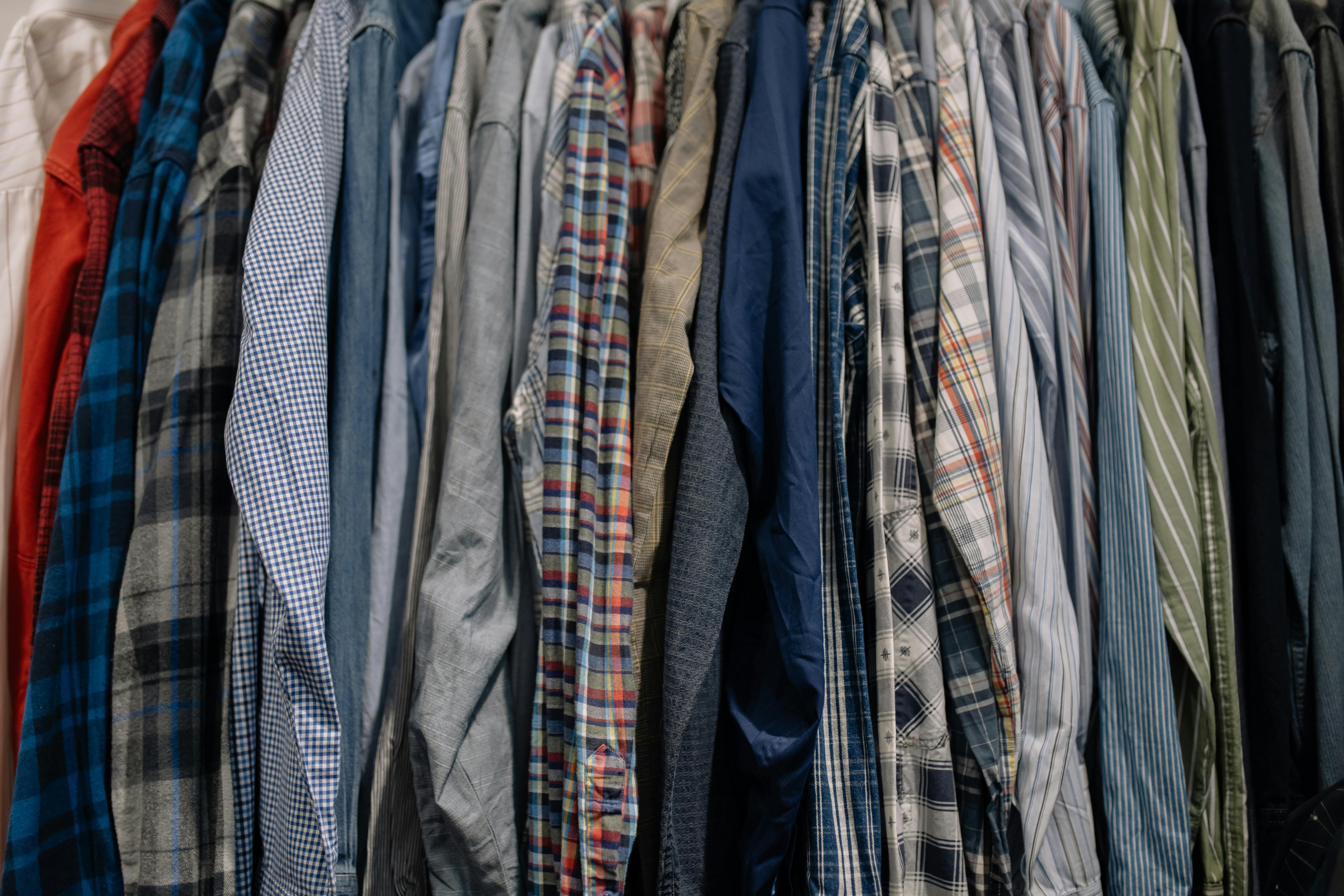
A conventional wardrobe accumulates garments from previous roles and contexts. Those items are inefficient and they are also a reserve.
A capsule has deliberately eliminated that reserve. Everything in it serves the current situation, which means nothing in it serves a different one.
So the same discipline that makes a small wardrobe pleasant to live with makes a transition abrupt. There is no half-forgotten set of dress shirts to fall back on.
The direction of the shift matters
Moving toward less formality is inexpensive. Casual clothing is cheaper, and most people already own enough of it from their non-working life.
Moving toward more formality is the costly direction, because tailored garments cost more, require alterations, and come with matching requirements for shoes and outerwear.
A person with a fully casual capsule stepping into a role requiring a jacket faces a purchase of several coordinated items at once, under a start-date deadline.
Buying under deadline is the worst case
Assembling a formality tier in two weeks means paying full price, accepting whatever fits are stocked, and rushing tailoring or skipping it.
The garments bought this way tend to be regretted, and they are then in the wardrobe for years because they were expensive.
Spreading the same purchase over three months would produce better results at lower cost, which is exactly the option a sudden change removes.
A minimum bridging set is worth keeping
The practical hedge is not to abandon editing but to keep the smallest possible set that covers a step up in formality.
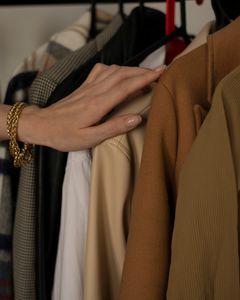
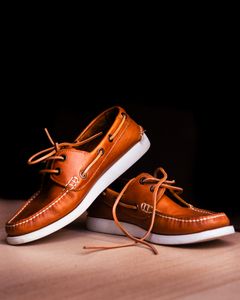
One neutral jacket, one pair of dress trousers or a comparable garment, one pair of leather shoes and a couple of plain shirts is enough to appear appropriately dressed anywhere.
That set occupies little space and is the difference between a manageable transition and an emergency shopping trip.
Alterable choices extend the hedge
A bridging set only helps if it still fits when needed, which argues for conservative cuts and fabrics that a tailor can work with.
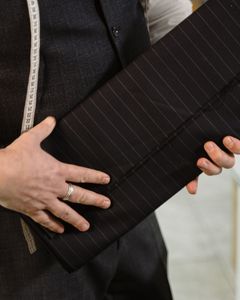
Wool with generous seam allowance can be adjusted in either direction. Slim-cut synthetics and heavily fused construction usually cannot.
The point of the reserve is availability at short notice, and that requirement should govern what the reserve is made of as much as what it consists of.
Also by Noor Haddad
- Building a capsule wardrobe by subtraction rather than purchaseCapsule Wardrobe
- Cost per wear: the only shopping arithmetic worth doingShopping Smart
- Why some colours suit you: contrast and undertone, without the seasonsColour & Pattern
- Buying clothes secondhand online without being disappointedShopping Smart