Colour & Pattern
Dye Lots And The Two Pieces That Should Match
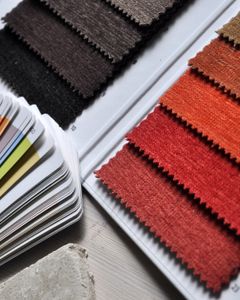
Fabric dyed in separate batches varies slightly in shade, which is why a replacement piece bought later rarely matches the original exactly.

Buying a second item in the same color months later often produces a near miss rather than a match. The cause is a manufacturing reality that applies to every dyed textile.
Dyeing happens in batches
Fabric is dyed in finite quantities, and each batch involves a specific volume of dye, water, temperature and time.
Small variations in any of those produce a slightly different result, so two batches of the same specified color differ measurably even under tight control.
Manufacturers track this with lot numbers, and within a production run they will keep pieces from the same lot together wherever the match matters.
Where the match is enforced and where it is not
A two-piece suit or a matched set is cut from a single lot deliberately, because a mismatch between jacket and trousers is immediately visible.
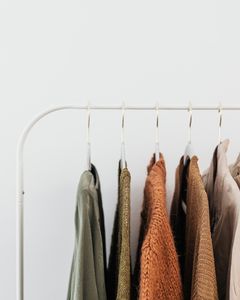
Separates sold individually carry no such guarantee. Two identical shirts on the same rack may come from different lots and differ slightly under daylight.
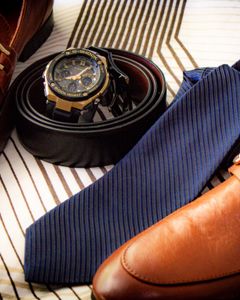
Accessories and trims are frequently produced by different suppliers entirely, which is why a matching belt or scarf sold alongside a garment is often not quite the same shade.
Repeat colors change between seasons
A brand that offers the same color year after year is reformulating it each time against a reference, not reproducing the same batch.
Reference standards themselves drift, and the base fabric may change supplier or composition, both of which shift the final result.
So a garment bought as a replacement for one from two years ago will usually be recognizably different when the two are placed side by side.
Some colors vary more than others
Mid-tone and saturated colors show batch variation most, because the eye is sensitive to small shifts in hue at moderate lightness.
Very dark and very light colors hide it better, since less of the visible difference survives at the extremes of the range.
Neutrals with complex formulations — taupes, olives, warm grays — are the worst case, because they are mixed from several dyes and a small imbalance shifts the whole cast.
Buying with the match in mind
The practical answer for anything that must coordinate precisely is to buy both pieces at the same time, from the same place.
Where that is not possible, comparing the two in daylight before committing is the only reliable check, and store lighting will conceal a difference that the street will not.
For garments that will be worn apart rather than together, none of this matters, which is why the issue only bites on sets and on deliberate coordination.
Also by Noor Haddad
- Building a capsule wardrobe by subtraction rather than purchaseCapsule Wardrobe
- Cost per wear: the only shopping arithmetic worth doingShopping Smart
- Why some colours suit you: contrast and undertone, without the seasonsColour & Pattern
- Buying clothes secondhand online without being disappointedShopping Smart