Colour & Pattern
Brown, And Why It Replaced Black For Many People
Brown behaves differently from black under natural light and against skin, which explains its steady move from casual dress into settings black once occupied.

Brown has moved from a strictly casual colour toward general use over the past decade. The reasons are practical, and they concern how the colour behaves rather than fashion alone.
Black absorbs light and shows everything
Black reflects very little, so it reads as an outline rather than a shape. Detail, texture and construction disappear into it, particularly in low light.
It also shows dust, lint and fading with unusual clarity. Every pale mark is at maximum contrast against it, which makes black demanding to keep looking new.
Brown reflects more light and across a broader range, so texture remains visible and small marks blend rather than announcing themselves.
Brown covers a wider range than it appears to
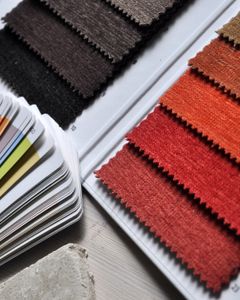
Brown spans from near-black through chocolate and tan to shades that read as warm grey. That range gives it flexibility black does not have.
Dark browns can occupy the role black plays in an outfit while remaining softer. Lighter browns behave as neutrals that combine with almost anything.
Because the range is continuous, browns of different shades sit together comfortably. Two blacks that differ slightly look like a mistake instead.
Warmth interacts with skin and daylight
Black creates maximum contrast against most skin, which is striking and can be harsh, particularly near the face in strong light.
Brown reduces that contrast and shares an undertone with skin, which is why it often reads as more natural in daylight and less severe in photographs.
This is also why brown is long established in outdoor and country clothing. The colour has always suited natural light; the change is where else it is now worn.
The formality boundary has moved
Brown was historically excluded from urban formal dress, a convention that persisted long after its original reasons had faded.
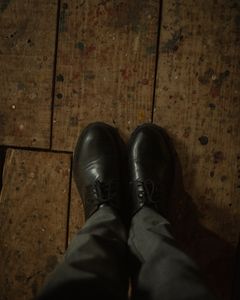
As formality has broadened generally, that exclusion has weakened. Brown suiting and brown shoes now appear in settings that would once have required black.
The most formal occasions remain black's territory, and that is unlikely to change. Below that level the distinction has largely dissolved.
Combining brown takes slightly more care
Brown has an undertone, and browns can be warm, reddish, olive or cool. Two browns from different families together look uncertain in a way two blacks never do.
The workable approach is to keep browns either clearly the same or clearly different in value, avoiding the near-miss that draws attention.
Brown also sits comfortably with navy, cream, olive and grey, which gives it more combining partners than black has. That flexibility is much of its practical appeal.
Also by Noor Haddad
- Building a capsule wardrobe by subtraction rather than purchaseCapsule Wardrobe
- Cost per wear: the only shopping arithmetic worth doingShopping Smart
- Why some colours suit you: contrast and undertone, without the seasonsColour & Pattern
- Buying clothes secondhand online without being disappointedShopping Smart