Shoes & Accessories
Break-In Is Not Something Every Shoe Does
Some shoes genuinely mold to the foot over weeks while others never change shape at all, and telling the two apart prevents an expensive mistake.
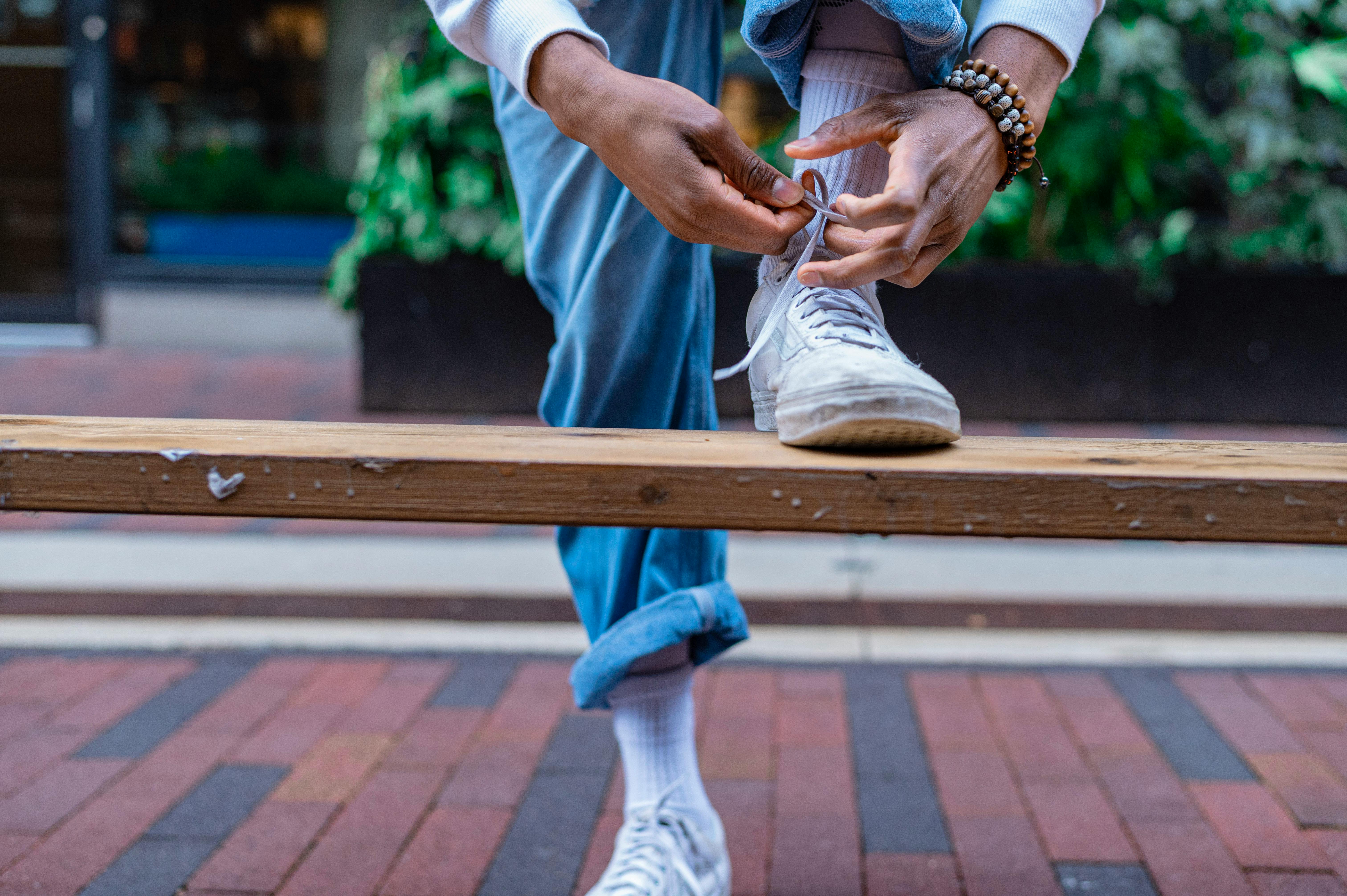
The advice to wear a tight shoe until it breaks in is sound for some footwear and useless for the rest. Which category a shoe falls into is determined by its materials and construction.
Break-in is the upper deforming
What happens during break-in is that the upper stretches across its width, and any insole or footbed compresses under the shape of the foot.
Length does not change meaningfully. A shoe that is too short stays too short, and wearing it only damages the foot and the shoe's toe box.
So the process can resolve a shoe that is snug across the ball and cannot resolve one where the toes are already touching the end.
Full-grain leather moves, corrected leather less so
Unlined or lightly lined full-grain leather stretches and takes a shape, which is why traditionally made shoes are expected to be firm at first.
Heavily corrected or coated leathers have a surface finish that resists deformation, so they hold their original shape and crease rather than stretch.
Synthetic uppers generally do not stretch at all. Whatever fit exists on the first wearing is the fit for the life of the shoe.
Footbeds do more of the work than expected
Cork or leather footbeds compress into a print of the foot over some weeks of wear, and that reshaping accounts for much of what people describe as breaking in.
Because it is compression rather than stretch, it makes the shoe feel more supportive rather than looser, and it is why some footwear becomes noticeably more comfortable after a month.
Foam footbeds compress too, but they keep compressing, so the shoe passes through a comfortable phase and then flattens out.
The process should be gradual
Wearing a stiff new shoe for a full day produces blisters, and the resulting reluctance to wear it again stalls the break-in entirely.
An hour or two at a time, indoors, over a week or two, allows the upper to flex and the footbed to settle without damaging the foot.
Thicker socks during this period increase the stretch across the ball and provide a buffer at the heel, where most break-in injuries occur.
When to accept the shoe does not fit
A shoe that hurts in a specific spot rather than feeling generally firm is usually indicating a structural mismatch that will not resolve.
Pressure over the top of the foot, pain at the heel counter, or numbness all point to volume or shape problems rather than stiffness.
A cobbler can stretch a specific area of a leather shoe, which handles a localized problem. Anything broader than that is a wrong size, and continued wear only confirms it slowly and painfully.
Also by Noor Haddad
- Building a capsule wardrobe by subtraction rather than purchaseCapsule Wardrobe
- Cost per wear: the only shopping arithmetic worth doingShopping Smart
- Why some colours suit you: contrast and undertone, without the seasonsColour & Pattern
- Buying clothes secondhand online without being disappointedShopping Smart