Capsule Wardrobe
Athleisure, and where it stops being appropriate
Technical fabrics escaped the gym permanently and are not going back. The useful question is not whether it is acceptable but which pieces read as considered and which read as unfinished.
The shift is real and permanent. Workplaces that required suits now accept knitwear and trainers, and clothing designed for sport is worn overwhelmingly by people who are not doing any.
The relevant distinction is not sportswear versus not. It is between garments that read as chosen and garments that read as not having got dressed.
What separates the two
Fit. Deliberate sportswear-derived clothing fits. Baggy, shapeless technical fabric reads as gym kit; the same fabric cut cleanly reads as a garment.
Condition. Sportswear shows wear faster than most clothing — synthetics pill, elastic goes, whites grey. A worn t-shirt reads as laundry in a way a worn wool jumper does not.
Colour. Neutral and muted technical clothing integrates into an outfit. Neon, high-contrast branding and performance graphics announce their function.
Branding. Large logos and performance markings say gym. Unbranded or discreetly branded versions of the same garment do not.
Context of the rest of the outfit. Trainers with tailored trousers and a jacket read as a deliberate choice. Trainers with tracksuit bottoms and a hoodie read as a tracksuit.
The most reliable heuristic: one sports-derived element in an otherwise considered outfit reads as intentional. Two or more starts to read as sportswear.
Trainers with wool trousers and a coat — considered. Trainers with joggers and a technical jacket — sportswear. Same trainers.
The pieces that transfer well
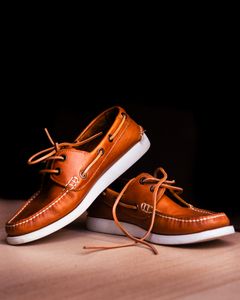
Minimal leather trainers. Clean, low-profile, in white or a neutral, without visible performance features. These have become genuinely versatile and work with tailoring in most contexts short of formal.
Merino base layers. Technically performance clothing, indistinguishable from a fine knit, and better than cotton for almost every purpose.
Technical outerwear in plain colours. A well-cut waterproof shell in navy or olive is simply a coat.
Quilted and down gilets, in plain fabrics.
Drawstring trousers in a non-technical fabric — wool, linen, heavy cotton. The relaxed waistband borrowed from sportswear, the fabric from tailoring.
The pieces that do not
Running shoes. Chunky soles, mesh uppers, bright colour blocking, and visible cushioning technology. These are designed to signal performance and they do.
Compression and moisture-wicking tops with visible seaming.
Anything with a large performance logo or a team name.
Tracksuit bottoms with side stripes, outside of deliberate casual contexts.
Gym shorts as general summer wear.
Where the line sits by context
Office. Varies enormously by sector. Trainers are widely accepted in technology and creative industries and remain inappropriate in law, finance and traditional professional services. Technical fabrics generally read as too casual for client-facing roles.
Restaurants. Many have relaxed. Some still refuse trainers and sportswear at the door, and the ones that do are rarely explicit about it in advance.
Travel. Comfort is a legitimate priority and airports have normalised almost anything. Worth remembering that arriving somewhere and going straight out is easier in clothes that work at both ends.
Weddings, funerals, interviews. The remaining contexts where the older conventions substantially hold, and where getting it wrong is noticed.
The care problem
Technical clothing has specific requirements that most people ignore, and ignoring them destroys the performance you paid for.
No fabric softener. It coats fibres and destroys wicking and water repellency permanently. This is the single most common way people ruin technical clothing.
Wash separately from towels and cotton, which shed lint that clogs the fabric structure.
Cold, gentle cycle. Heat damages elastane and membranes.
No tumble drying for most items, though some waterproof coatings are reactivated by low heat — check the label, because this one varies.
Reproof waterproofs periodically. The durable water repellent finish wears off and can be restored with a wash-in or spray-on product. A jacket that has "stopped being waterproof" usually just needs reproofing.
The honest summary
Athleisure is not a lapse in standards; it is a change in what standards are. Comfortable, functional clothing worn well is a reasonable outcome.
What has not changed is that fit, condition and coherence still determine whether someone looks put together. Those criteria applied to a suit and they apply to a merino t-shirt and clean trainers — and a person failing them in sportswear is failing them for the same reasons they would in a jacket.
Also by Noor Haddad
- Building a capsule wardrobe by subtraction rather than purchaseCapsule Wardrobe
- Cost per wear: the only shopping arithmetic worth doingShopping Smart
- Why some colours suit you: contrast and undertone, without the seasonsColour & Pattern
- Buying clothes secondhand online without being disappointedShopping Smart