Capsule Wardrobe
Everything that actually matters, in one page
After seventy-five articles on fabric, fit, colour and construction, the short version is shorter than expected and mostly does not involve buying anything.

Most of what this site has covered is detail. Here is the part that would survive if everything else were removed.
1. Fit beats everything else
It is more visible than fabric, more visible than price, and considerably more visible than a label. A moderately priced garment that fits will always look better than an expensive one that does not.
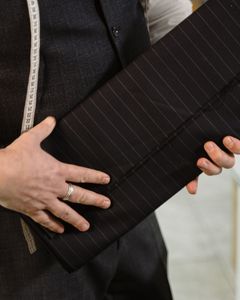
Which makes alterations the highest-return spending in clothing. A hem, a taper and taking in a shirt cost very little and transform what you already own.
And it makes the buying rule simple: buy for the parts that cannot be altered — shoulders, chest, rise — and have the rest adjusted.
2. Most of your wardrobe is not being worn
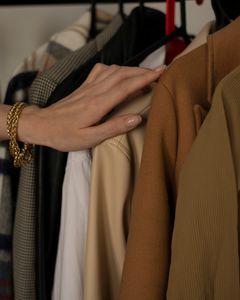
Turn the hangers backwards for three months and find out. The typical result is uncomfortable and it is the most useful information available about your own clothing.
What you actually wear tells you your real palette, your real fit preferences and your real life. Buy against that rather than against a list.
3. Colour discipline creates outfits
Two or three neutrals that work together, and a small number of accents that work with all of them, produce far more usable combinations per garment than a wardrobe of individually attractive pieces that do not relate.
This is the single change that most reliably produces the sensation of having more to wear without buying anything.
4. Care determines how long things last, more than price does
Wash cooler and less often. Turn things inside out. Do not tumble dry. Fold knitwear. Use shoe trees and rotate shoes. Brush wool. Store clean.
These are free and they extend garment life by years. A cheap garment cared for outlasts an expensive one that is not.
Count the stitches over a centimetre — 8 or more is good.
Check whether the pattern matches at the seams.
Turn it inside out and look at the seam finishing and allowance.
Hold it up and see whether the side seams hang straight.
Two minutes, at any price point, and they tell you more than the tag does.
5. Repair rather than replace
A button, a hem, a split seam, a moth hole and a snagged knit account for most of the wearable clothing that gets discarded. Four of the five take under fifteen minutes to fix.
Shoes can be resoled. Zips can be replaced. Coats can be relined. Almost nothing that is well made is genuinely finished when it stops looking right.
6. Secondhand is where quality is affordable
It resolves the tension between buying better and spending less. A well-made older garment frequently costs less than a poorly made new one and will outlast it comfortably.
Ignore the size label, carry your measurements, and check the failure points.
7. Cost per wear is the only useful arithmetic
Price divided by realistic wears. The word realistic is doing the work — most people overestimate wildly, and their own hanger data would tell them so.
Which reframes what to spend on: the coat, the shoes and the trousers you wear constantly deserve money. The occasion piece worn twice does not.
8. Comfort is not a compromise
Anything that itches, pinches, gapes, rides up or requires adjustment will not be worn, regardless of how it looks on a hanger. Discomfort is the commonest reason clothing goes unworn and it is almost never diagnosed as the cause.
Sit down, reach, walk and raise your arms before buying anything.
9. The details that undermine an outfit are small and cheap
Scuffed shoes. Worn heel tips. Hair on the shoulders. A grey collar. Pilled knitwear. A visible undershirt. White sports socks.
A brush by the door, a fabric shaver and a fifteen-second look in a full-length mirror address essentially all of it.
10. Nobody is looking as closely as you think
The final and most useful point. The anxiety that drives a great deal of clothes shopping is disproportionate to how much attention anyone else is paying.
What people register is broad and quick: does this person look comfortable, appropriate and put together. Fit, condition and coherence answer that. Everything else on this site is refinement — genuinely interesting, and refinement.
Get those three right and you can stop thinking about it, which was always the point.
Also by Noor Haddad
- Building a capsule wardrobe by subtraction rather than purchaseCapsule Wardrobe
- Cost per wear: the only shopping arithmetic worth doingShopping Smart
- Why some colours suit you: contrast and undertone, without the seasonsColour & Pattern
- Buying clothes secondhand online without being disappointedShopping Smart