Fit & Tailoring
Why A Dress Costs More To Alter Than A Jacket
Alteration pricing follows how many seams a change touches and how the garment is constructed, which is why some simple-looking adjustments are the expensive ones.
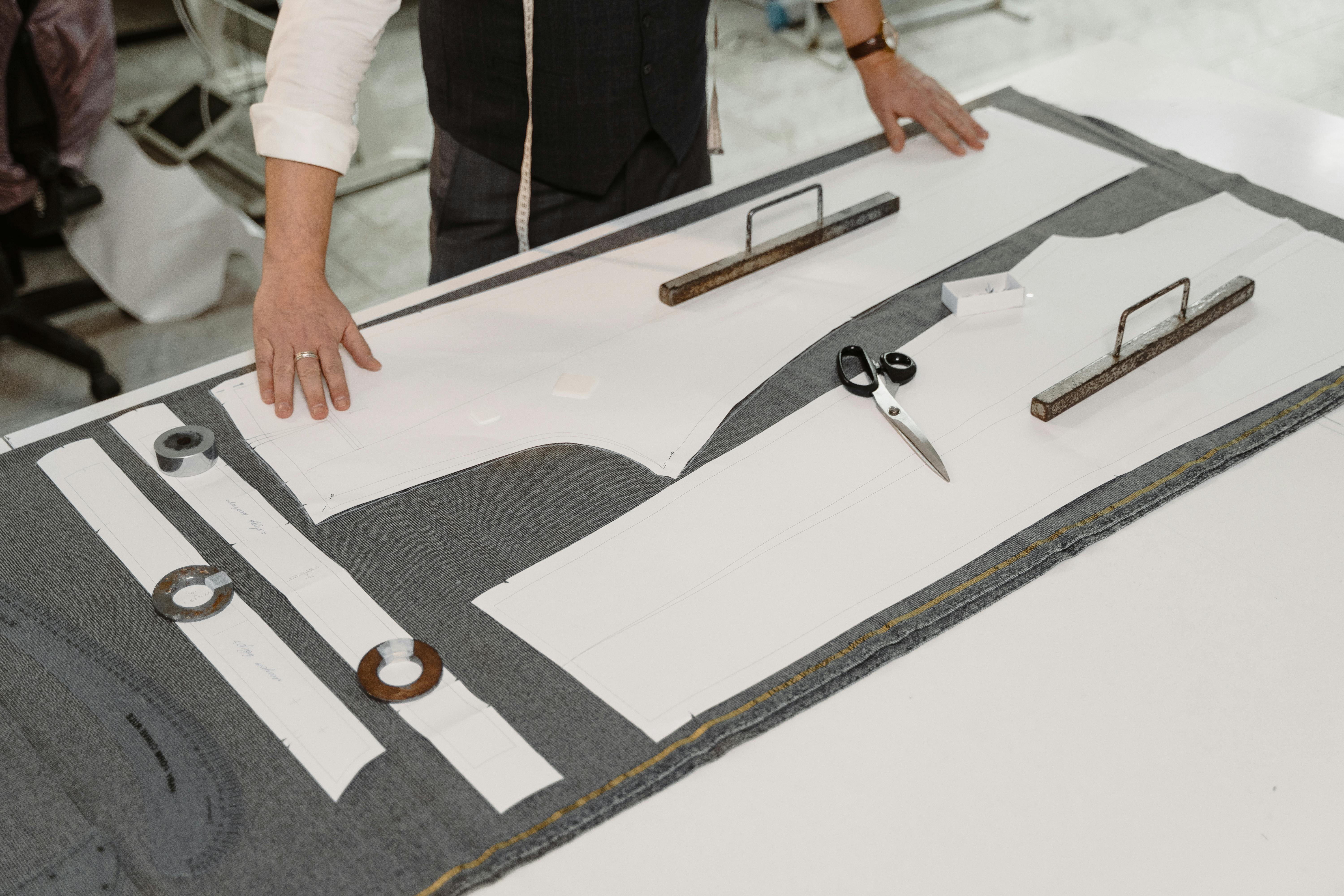
Alteration prices seem inconsistent until the underlying logic is clear. The cost tracks the number of operations required, not the visible size of the change.
Every seam touched is separate labor
Taking in a straight side seam on a simple garment is one operation on each side, done in minutes once the garment is marked.
The same change on a garment with a lining, a zipper crossing the seam, and a waistband seam intersecting it requires opening and reclosing all of those.
The alteration is identical in what it achieves and several times the work, which is the whole explanation for most price differences.
Linings double the work invisibly
A lined garment is effectively two garments joined at the edges, and any change to the outer shell must be matched in the lining.
The lining also has to be opened somewhere to access the seams, then closed again, often by hand where the closure would otherwise show.
This is why an unlined summer dress and a lined one of the same shape are quoted very differently for the same adjustment.
Curved and shaped seams resist adjustment
A straight seam can be moved inward along its whole length without changing the shape of the garment.
A princess seam, a curved waist seam or a shaped bodice has to keep its curve while changing its dimension, which requires recutting rather than restitching.
Formal and fitted garments are built almost entirely from shaped seams, and that is the structural reason they are the expensive category.
Fabric behavior adds risk and time
Some materials cannot be unpicked without leaving marks. Fine wovens, coated fabrics and anything tightly woven hold the impression of the original stitching permanently.
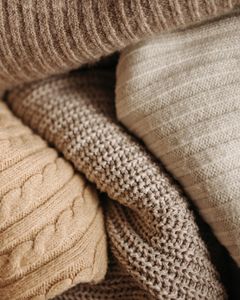
Others, like loose knits and bias-cut fabrics, distort while being handled and must be worked slowly and stabilized as they go.
A tailor prices this in as risk as well as time, because a mistake on a delicate fabric cannot be corrected by restitching.
Where the money is well spent
The value of an alteration is measured against the garment's price and how much it will be worn, not against the price of a simpler alteration elsewhere.
Spending a meaningful fraction of a coat's cost to make it fit properly is usually sound, because the coat is worn constantly for years.
Spending the same on an inexpensive garment that will be worn a few times is not, and a tailor asked directly will generally say so.
Also by Gil Mowatt
- The four alterations that change everything, and what they should costFit & Tailoring
- How a jacket should fit, starting with the only part you cannot changeFit & Tailoring
- How shoes are built, and why it determines whether they can be repairedShoes & Accessories
- Trouser length: the detail everyone notices and nobody mentionsFit & Tailoring