Fit & Tailoring
What A Fitting Looks Like From The Customer Side
A tailoring appointment follows a sequence, and knowing what happens and what to bring makes the difference between one visit and three.

Most people arrive at a tailor without knowing what the appointment involves. The process has a standard order, and preparing for it changes the result more than any request does.
Bring what the garment will be worn with
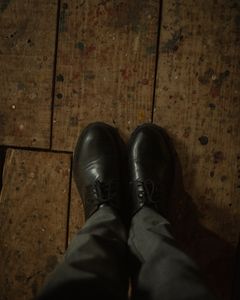
A hem is set relative to a shoe, and pants pinned in one pair of shoes will be wrong with a different heel height.
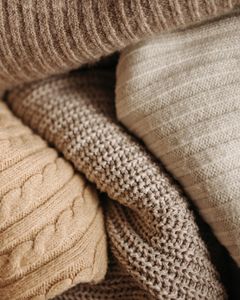
The same applies to what goes underneath. A jacket fitted over a light shirt will be tight over a sweater, and the tailor cannot allow for something not present.
Bringing the actual shoes and the actual layers removes an entire category of disappointment, and it costs nothing but planning.
The order of assessment is fixed
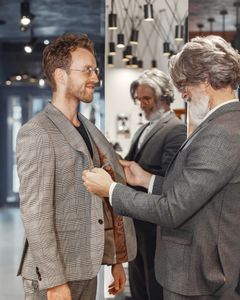
A tailor works from the top down and from the least adjustable outward: shoulders first, then chest and back, then waist, then lengths.
This order exists because each adjustment affects the ones below it. Taking in a waist before the shoulders are settled means doing the waist twice.
It also means an early verdict that the shoulders do not fit ends the conversation, since nothing below can compensate for it.
Standing naturally is part of the job
People stand differently on a fitting platform than they do in life, usually straighter and more symmetrically.
A garment adjusted to a posture the customer does not hold will pull and wrinkle in ordinary use, and the tailor will be blamed for it.
Walking around, sitting, and letting the arms hang normally during the fitting gives the tailor the information they actually need.
Pinning is a proposal, not a finished result
Pins mark where fabric will be removed, and a pinned garment always looks rougher than the finished one because the fabric is bunched rather than recut.
Asking what a pinned section will look like when sewn is a normal question, and a tailor will explain what the seam allowance permits.
This is also the point to raise anything that has bothered you about how the garment sits, since after the work begins the options narrow considerably.
A second fitting is normal on significant work
Simple hemming is a single visit. Anything involving the body of a garment usually involves basting the change, checking it on the body, then finishing.
Declining that second appointment to save time is the most common source of results that are nearly right and permanently not.
Building the extra visit into the timeline, particularly for a garment needed on a specific date, is what separates a good outcome from a rushed one.
Also by Gil Mowatt
- The four alterations that change everything, and what they should costFit & Tailoring
- How a jacket should fit, starting with the only part you cannot changeFit & Tailoring
- How shoes are built, and why it determines whether they can be repairedShoes & Accessories
- Trouser length: the detail everyone notices and nobody mentionsFit & Tailoring