Fabric & Care
Storing clothes properly between seasons
Most damage to stored clothing happens while it is stored. Moths, mildew, permanent creasing and distortion are all preventable, and the prevention is mostly free.
Clothes put away at the end of a season and retrieved six months later frequently come out worse than they went in. Almost all of the damage is avoidable.
Clean everything first
The single most important step and the one most often skipped.
Clothes moths and carpet beetles are attracted to keratin — the protein in wool, cashmere, silk and feathers — and they are attracted far more strongly to garments carrying perspiration, skin cells and food residue. A jumper worn twice and put away unwashed is considerably more likely to be eaten than a clean one.
The same applies to stains you cannot see. Invisible sugar and protein residues oxidise over months into brown marks that are then permanent.
Wash or clean everything before storing. This alone prevents most storage damage.
The adult clothes moth does not eat — it is the larvae that cause damage, feeding on keratin for weeks or months. Adults avoid light and are rarely seen, which is why infestations are usually discovered as holes rather than as insects.
They prefer dark, undisturbed, warm places, which describes exactly the way most people store winter woollens over summer.
Moth prevention that works
Freeze anything suspect. Seal the garment in a bag, remove air, and freeze at −18°C for at least 72 hours. This kills eggs and larvae. Let it return to room temperature before opening to avoid condensation. This is the most reliable treatment and it costs nothing.
Store in sealed containers. Airtight boxes or vacuum bags exclude moths entirely. The trade-off is that natural fibres benefit from some air circulation, so airtight storage is best for shorter periods and for garments that are definitely clean and dry.
Cedar repels moths through its aromatic oils, which fade. Sand cedar blocks lightly with fine sandpaper once or twice a year to restore them. Cedar repels; it does not kill existing larvae.
Lavender works similarly and needs refreshing.
Naphthalene mothballs kill but are toxic, carcinogenic in some formulations, and leave an odour that is very difficult to remove. Paradichlorobenzene versions are similar. Most people should avoid both.
Pheromone traps catch adult males and are primarily a monitoring tool — they tell you whether you have a problem. They do not control an infestation on their own.
Disturb things. Moths favour undisturbed storage. Periodically shaking out and airing stored woollens is genuinely effective.
Fold or hang
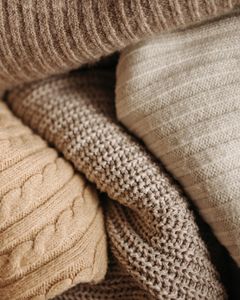
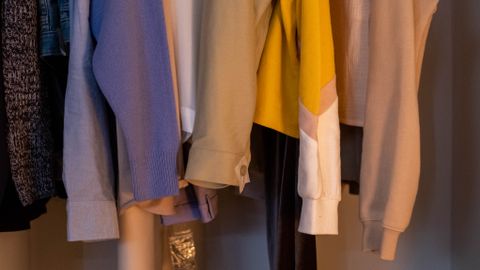
Fold: all knitwear, without exception. Knitted fabric stretches under its own weight, and a hung jumper develops permanently distorted shoulders. Also fold heavy items, anything with a bias cut, and t-shirts.
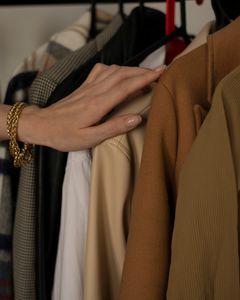
Hang: tailored jackets and coats, shirts, structured dresses, trousers — either full length from clips at the waistband, or over a bar with a wide, padded rail.
Hangers matter. Wide, shaped wooden hangers for jackets and coats, which support the shoulder line. Wire hangers distort shoulders permanently and rust. Velvet-covered slim hangers are fine for shirts and dresses and save space.
Preventing creases
Long storage sets creases permanently, particularly in silk and linen.
Use acid-free tissue paper in the folds of anything delicate, and roll rather than fold where possible.
Avoid sharp folds at the same place each time. Refold periodically along different lines.
Do not overpack. Compressed clothing creases and cannot breathe.
What not to use
Plastic dry-cleaning bags. The single most common storage error. They trap moisture, which produces mildew, and the plastic can yellow fabric over time as it degrades. Remove them immediately on returning from the cleaner.
Cardboard boxes that are not acid-free, which contain lignin and will yellow textiles over years.
Damp locations. Cellars, garages, lofts with condensation. Mildew stains permanently and the musty odour is extremely difficult to remove.
Direct sunlight, which fades and weakens fibres.
The right conditions
Cool, dry, dark, and with some air movement. A wardrobe in a heated room is better than a cold loft, because the temperature swings in a loft produce condensation.
Breathable cotton garment bags for hanging items. Under-bed boxes with a lid. Silica gel packets in humid environments.
Specific items
Leather needs air — never seal it in plastic. Condition before storing and keep it away from heat.
Down should be stored loosely, not compressed, or the fill loses loft permanently.
Shoes with trees in, cleaned and conditioned, in breathable bags rather than sealed boxes.
Bags stuffed to hold their shape, in dust bags, standing rather than stacked.
The retrieval
Air everything for a day before wearing. Steam or press to remove storage creases. And check for damage immediately rather than in November when you need the coat — a small moth hole caught early is a fifteen-minute darn.