Fabric & Care
Washing clothes less: what actually needs cleaning and when
Most garment wear happens in the washing machine, not on the body. Reducing frequency is the single largest thing you can do to make clothes last, and the rules are simpler than they sound.
Every wash is mechanical abrasion, chemical exposure and thermal stress applied to a garment simultaneously. The lint in your dryer filter is your clothes, gradually leaving.
For most items, most of the time, the garment is not dirty — it has been worn. Those are different conditions requiring different responses.
How often things actually need washing
Underwear, socks, gym clothes: every wear. Not negotiable.
T-shirts worn against skin: every wear or two.
Shirts: after one to two wears, sooner in warm weather. Collars and cuffs are what dirty first, and spot-treating them extends the interval.
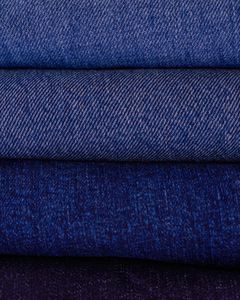
Trousers and jeans: after four to ten wears. Denim considerably longer — dedicated denim wearers go months, though this is partly aesthetic preference for fade development rather than a hygiene position.
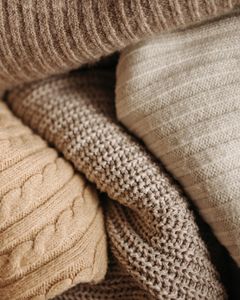
Knitwear: after five to ten wears, or when it actually smells. Wool is naturally odour-resistant.
Jackets and coats: once or twice a season, plus spot cleaning.
Suits: two to four times a year at most. Dry cleaning is harsh, and each cycle degrades the cloth and the canvas.
Most odour comes from bacteria metabolising sweat, and most of it is volatile. Hang a garment somewhere with moving air — not in a wardrobe, not folded — for a few hours or overnight. Outdoors is better still, and light frost or bright sun both help.
For wool in particular this works remarkably well. Wool fibres absorb and release moisture, resist bacterial growth and shed odour readily, which is why a merino base layer can be worn for days.
Spot cleaning
The alternative to washing a whole garment because of one mark.
Act quickly. Most stains are far easier to remove before they set, and heat sets stains permanently — so never apply hot water or a dryer to a stained garment.
Blot, do not rub. Rubbing pushes the stain deeper and damages the fibre surface, producing a permanent dull patch.
Work from the outside in, to avoid spreading the ring.
Match the treatment to the stain. Protein stains — blood, egg, dairy — need cold water and never heat. Oil and grease need a solvent or washing-up liquid. Tannin stains — tea, wine, coffee — respond to cold water and, on white cotton, to careful use of an oxygen-based product.
Washing better when you do wash
Cold. Modern detergents are formulated to work at 20–30°C. Cold washing reduces shrinkage, colour loss, fibre damage and energy use, and for ordinary soil it is entirely adequate. Reserve hot washes for towels, bedding and anything contaminated.
Turn things inside out. Abrasion then affects the inside face rather than the visible outside. This matters most for dark colours, printed garments and denim.
Do not overload. A packed drum increases abrasion and cleans worse. Clothes need room to move.
Use less detergent. Overdosing leaves residue, which attracts soil and stiffens fabric. Most people use considerably more than the dose recommended, and residue is a common cause of towels that stop absorbing.
Use mesh bags for knitwear, delicates and anything with fastenings that can catch.
Reduce the spin speed for anything delicate. High spin extraction is violent.
Avoid fabric softener on towels, technical fabrics and anything absorbent. It works by coating fibres with a lubricating film, which destroys absorbency and clogs performance fabrics. It also builds up over time.
Drying
The tumble dryer does more damage than the wash. Heat plus tumbling plus abrasion is what produces shrinkage, elastic degradation, and the lint that used to be your clothing.
Air dry where possible. Flat for knitwear, which stretches under its own weight when hung wet. On a hanger for shirts, which reduces ironing substantially if done while damp.
If you use a dryer, use a low heat setting and remove items slightly damp.
Dry away from direct sunlight for coloured items, which fade, and in it for whites, where sun is a mild and effective bleach.
The exceptions
None of this applies where hygiene genuinely requires washing: anything worn against skin during exercise, anything soiled, anything worn while unwell, anything in contact with food preparation, and clothing worn by or around anyone immunocompromised.
The argument here is about the enormous middle category — the jumper worn for three hours over a shirt, the trousers worn to sit at a desk — where the wash is habit rather than necessity, and where the habit is quietly consuming the wardrobe.