Fabric & Care
Knitwear: gauge, ply and what makes a jumper worth keeping
Two jumpers in the same fibre at the same price can behave completely differently. The variables are gauge, ply and how the pieces are joined, and none of them appear on the label.
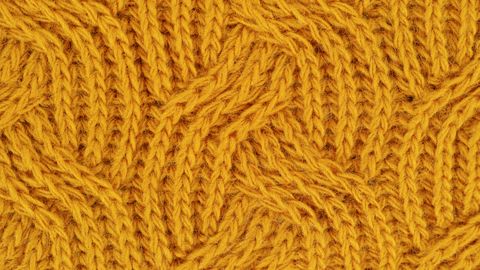
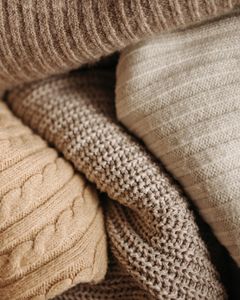
Knitwear is constructed from interlocking loops rather than woven threads, which is why it stretches, why it can be shaped in three dimensions, and why it fails in specific ways.
Gauge
Gauge is the number of needles per inch on the knitting machine, and therefore how fine the knit is.
3–7 gauge is chunky. Warm, bulky, casual. Fisherman knits, heavy cardigans.
7–12 gauge is mid-weight. The standard jumper territory.
12–18 gauge is fine. Light, layers under a jacket, drapes rather than holds shape.
18–30 gauge is very fine, close to jersey. Base layers, fine merino.
Higher gauge takes longer to knit and uses finer yarn, so it costs more for the same amount of fibre. It is also more versatile — a fine gauge merino crewneck works under tailoring, which a chunky knit does not.
Ply
Ply is the number of individual strands twisted together in the yarn. It is frequently confused with thickness, and the two are related but not identical.
A 2-ply cashmere jumper uses yarn made from two strands. A 4-ply uses four, producing a heavier, warmer, denser garment. 6-ply and above are substantial pieces.
More ply generally means warmer, more durable and more expensive. A 2-ply cashmere jumper at a suspiciously low price is likely using short fibres as well as few plies, and will pill and thin quickly.
The construction difference that matters most and is never advertised.
Fully fashioned pieces are knitted to shape — the machine adds and drops stitches to form the armhole, the shoulder, the neckline — and then linked together. No fabric is cut, so no edges can unravel, and the seams are flat and flexible.
Cut-and-sew knits a large piece of fabric, cuts the shapes out and sews them together. Faster and cheaper. The cut edges must be overlocked, producing bulkier seams that can unravel if damaged.
How to check: look at the shoulder and armhole seams from the inside. Fully fashioned shows a flat, neat linked seam and often small decorative marks where stitches were transferred. Cut-and-sew shows an overlocked edge with visible cut fabric.
The neckline and cuffs
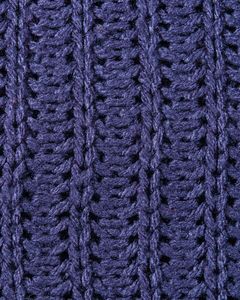
Ribbing at the neck, cuffs and hem does structural work — it holds the garment's shape and stops the openings stretching.
Good ribbing is dense, springs back quickly when stretched, and is deep enough to do its job. Poor ribbing is loose, recovers slowly, and within a season the cuffs hang open and the neck sags.
Test it in the shop: stretch the cuff and let go. It should snap back immediately.
The fibres, ranked by behaviour
Merino wool. The best all-round choice. Fine, soft, breathable, odour-resistant, elastic. Look for micron count — under 19 microns is soft against skin.
Lambswool. From the first shearing, softer than standard wool, slightly less fine than merino, and durable.
Geelong. A fine lambswool from a specific Australian region. Soft and warm.
Shetland. Coarser, hairier, extremely durable and characterful. Not next to skin for most people.
Cashmere. Softest and warmest for its weight, and the shortest staple, hence pilling. Quality varies enormously and price correlates reasonably well. Grade A refers to longer, finer fibres.
Alpaca. Warmer than wool, no lanolin, drapes heavily, less elastic — alpaca garments stretch and do not recover as well.
Cotton. Cool, machine washable, and heavy when knitted thickly. Stretches out and does not recover as wool does.
Acrylic. Cheap, warm, and pills permanently. Does not breathe. Useful for very cheap garments and nothing else.
What to check before buying
Hold it up by the shoulders. A good knit hangs evenly without distorting. If the hem pulls into a point or the sides sag unevenly, the construction is poor.
Stretch a section and release. It should return to shape. Slow recovery means it will bag out at the elbows and seat.
Rub the surface briskly. Immediate balling means immediate pilling.
Look at the seams from inside. Fully fashioned or overlocked, and how neat.
Check for a spare yarn supplied for repairs, which is a sign of a maker expecting the garment to last.
Keeping it
Fold, never hang. Hanging stretches the shoulders permanently under the garment's own weight.
Wash rarely, cold, on a wool cycle, with wool detergent — biological detergent contains enzymes that digest protein fibres.
Dry flat, reshaped by hand while damp.
Never tumble dry. Heat and agitation are what felt wool irreversibly.
Shave pills with a fabric shaver once or twice in the first season. Good wool pills initially as short fibres work out and then largely stops.
Store clean over summer, sealed, with cedar or lavender. Moths are attracted to perspiration and food residue, so a jumper put away dirty is the one that gets eaten.